Limited Time - New Patient Special Offer
Limited Time - New Patient Special Offer
Pelvic floor care in Bismarck
Regain Comfort, Control, and Confidence in Daily Life
Experience non-invasive care focused on improving pelvic stability, reducing discomfort, and helping you move, sit, and live more comfortably each day

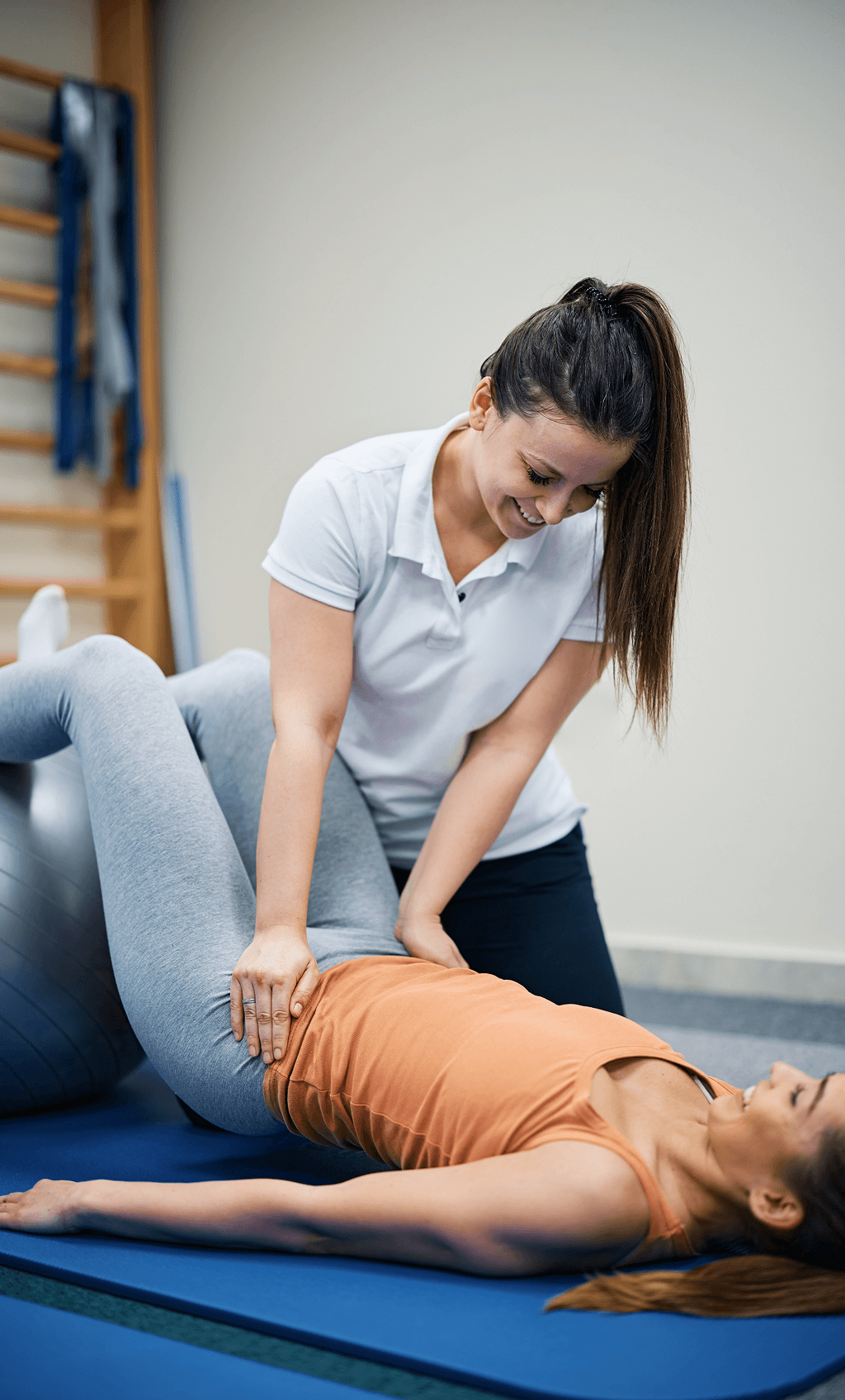
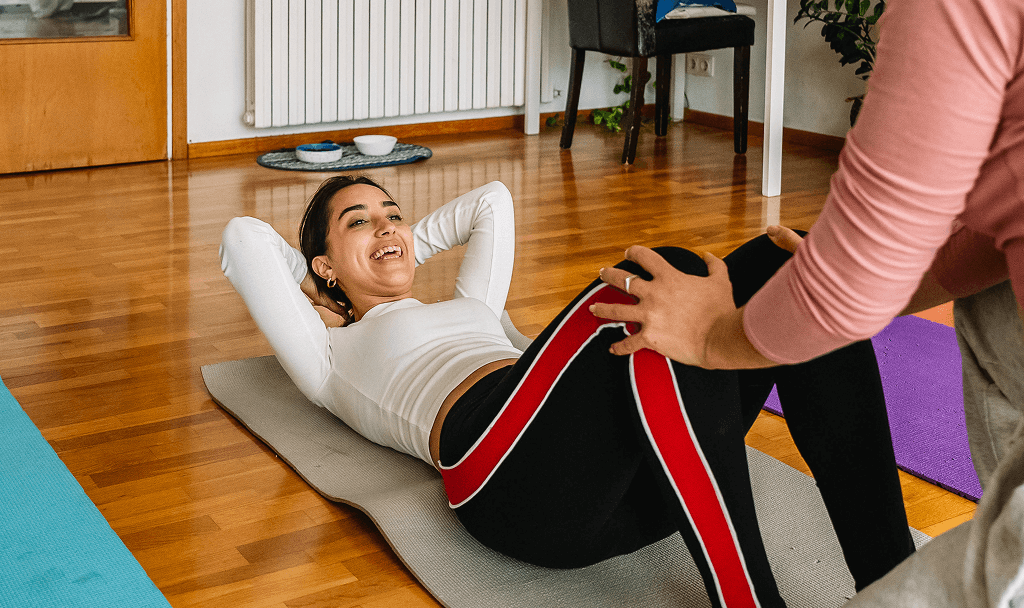


Pelvic floor issues often develop gradually due to prolonged sitting, poor posture, core weakness, past injuries, pregnancy, surgery, or chronic stress on the lower body. Over time, these factors can affect how the pelvic floor muscles support movement and stability.
When the pelvic floor isn’t functioning properly, it can lead to discomfort, tension, or a lack of control during everyday activities like sitting, standing, walking, or exercising.
Many people don’t realize the pelvic floor is involved until symptoms begin interfering with comfort, confidence, or daily routines.
People with pelvic floor dysfunction often experience one or more of these symptoms.

Pelvic or Lower Abdominal Discomfort
Hip or Lower Back Tension

Difficulty Sitting Comfortably

Core Weakness or Instability

Pressure or Heaviness Sensation
Pain With Certain Movements
Balance or Postural Issues
Discomfort During Daily Activities


How We Help Improve Pelvic Support and Comfort
Our care focuses on restoring balance, stability, and coordination in the pelvic region—without invasive procedures or symptom masking alone.

Improve pelvic and core stability
Reduce muscle tension and imbalance
Support proper movement and posture
Improve circulation to pelvic tissues
Enhance coordination between core and pelvis
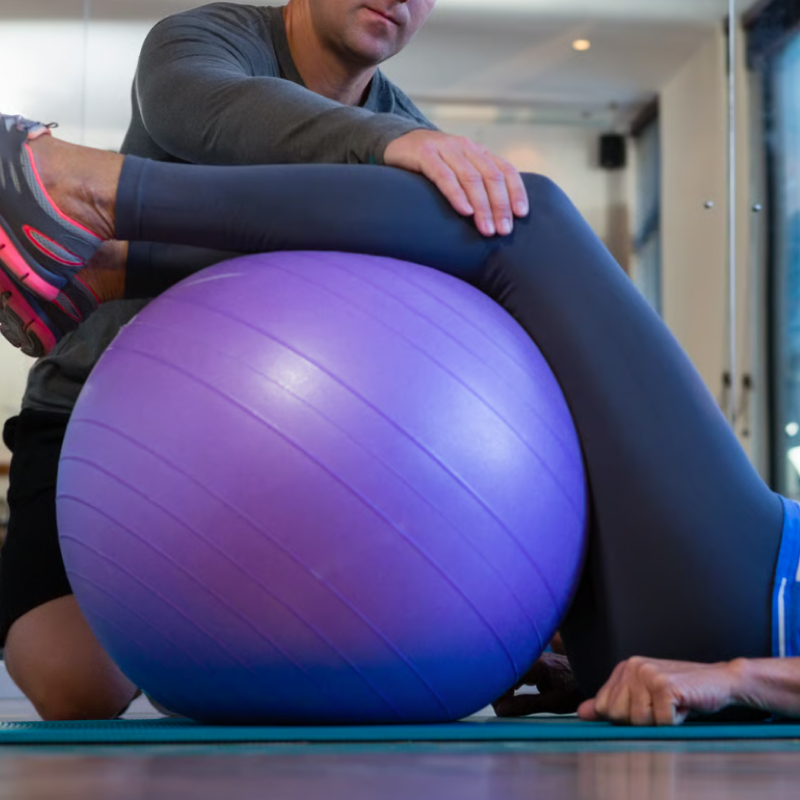
We begin by understanding your symptoms, movement patterns, and how pelvic discomfort is affecting your daily life.
1
Personalized Care Plan
Your care plan is tailored to your comfort level, goals, and individual needs.
2
Focused Gentle Treatment
Non-invasive techniques are used to support pelvic alignment, muscle balance, and stability.
3
Supportive Guidance
Simple recommendations help you maintain progress and support pelvic health outside the clinic.
Most people notice changes within the first few sessions.

Experienced professional Chiropractor
in Bismarck helping you be your best.
Dr. Aaron Moos has helped many people struggling with neuropathy symptoms feel more stable, more comfortable, and more in control of their daily activities. As the owner of both Moos Family Chiropractic and Verge Fitness in Bismarck, ND, he brings a comprehensive approach to wellness.
Dr. Aaron is a devoted husband and father of three. Since graduating from Palmer College of Chiropractic, he has remained committed to enhancing the health and wellness of his community through evidence-based chiropractic care.

With the right approach, many people find they can reduce pelvic discomfort, move more freely, and feel more in control of daily activities. We’re here to help when you’re ready to take the next step.
For new patients:

517 S 5th Street,
Bismarck, ND 58503